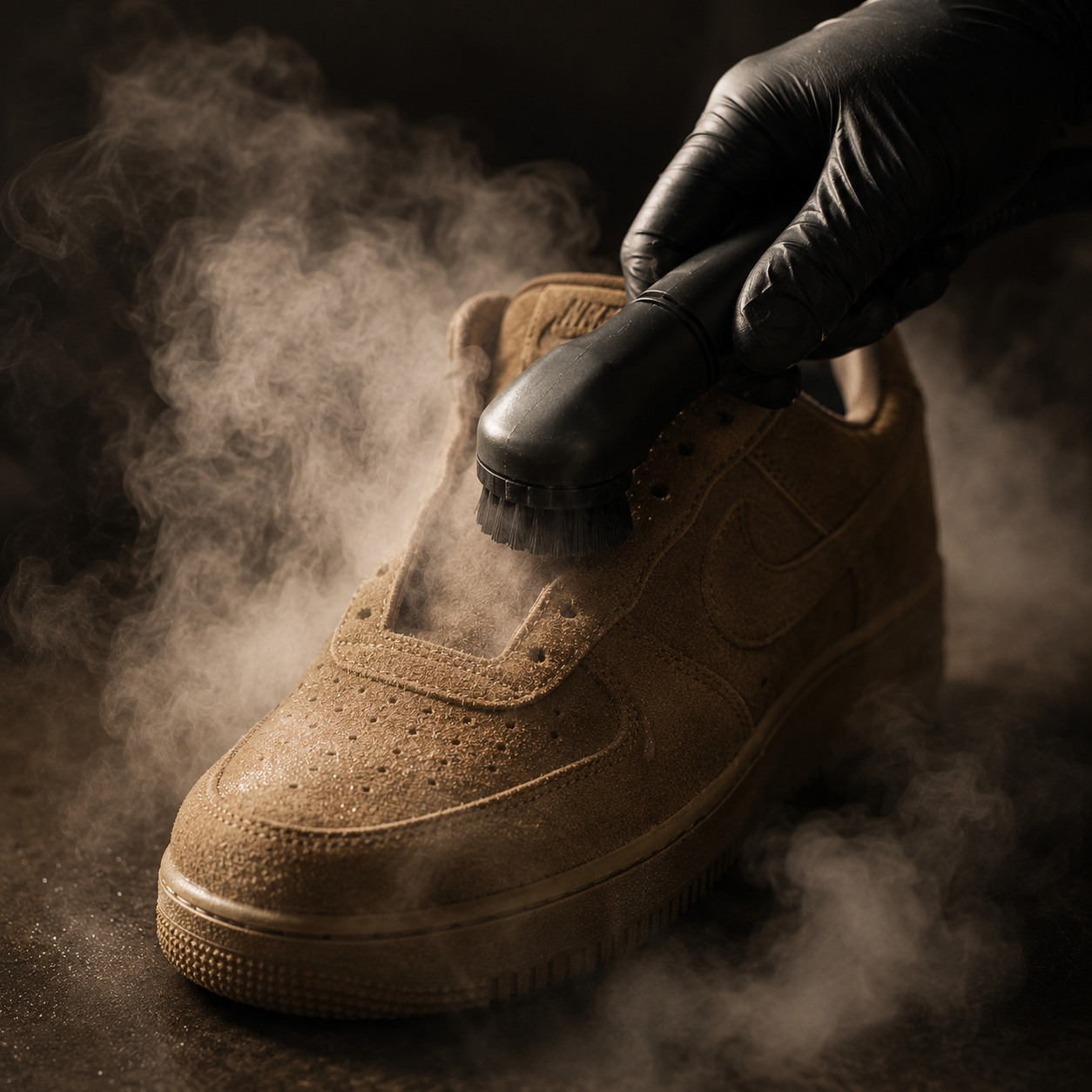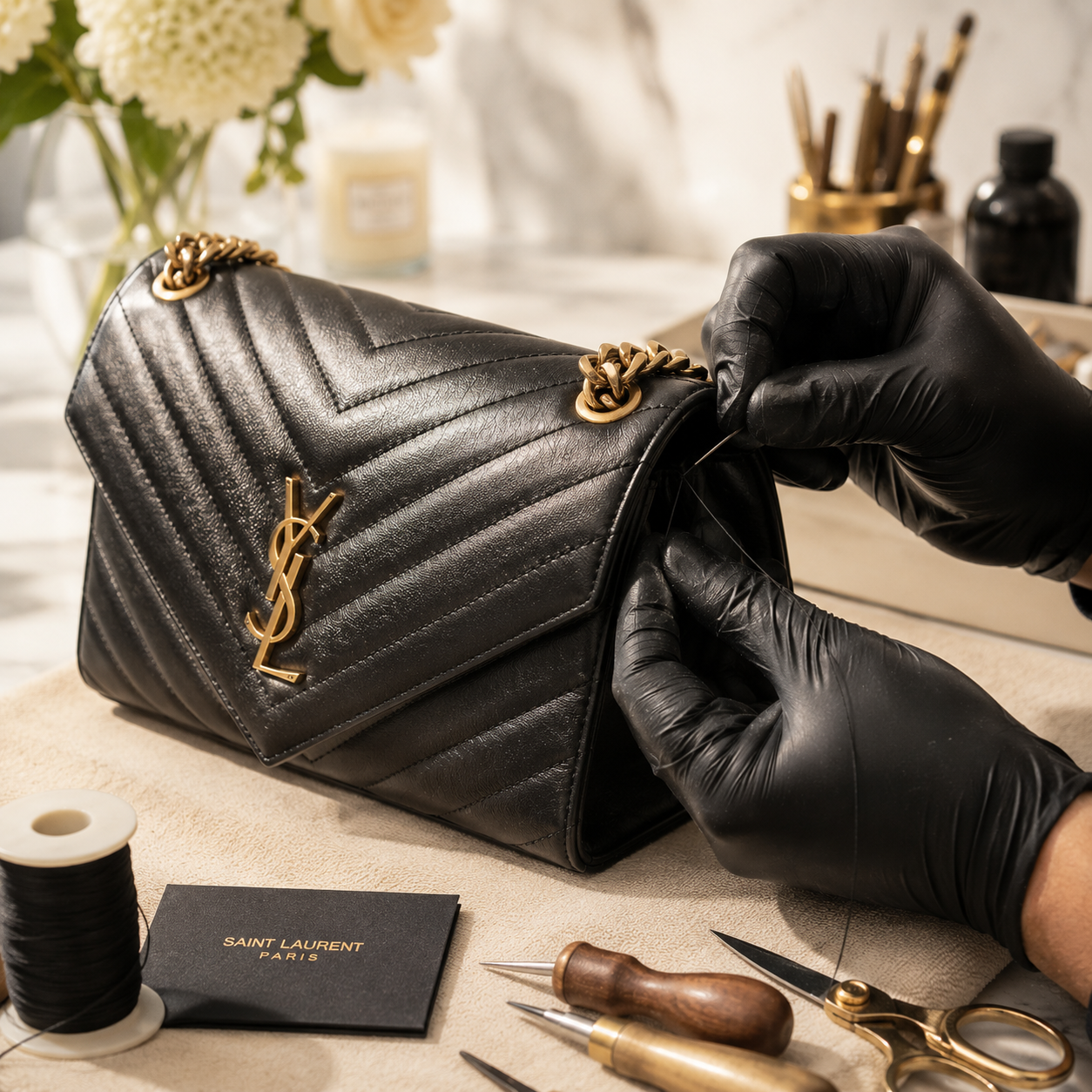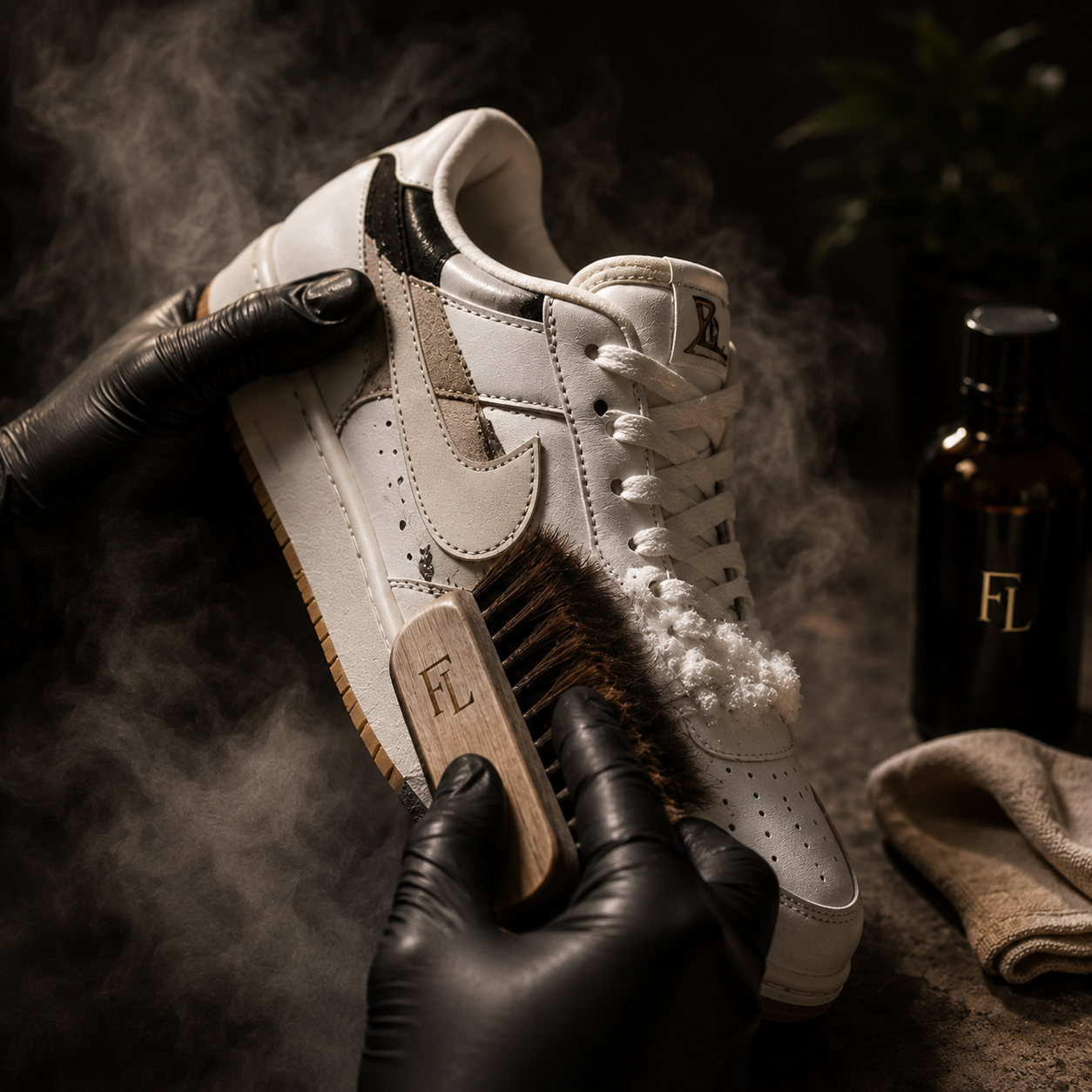
Luxury leather shoes are more than just footwear — they're an investment in craftsmanship, comfort, and timeless style. Whether it's handcrafted Oxfords, premium loafers, luxury sneakers, or leather boots, proper care can extend their life by years.
One of the most common questions we hear at The Fixer Lab: is genuine leather really better than vegan leather, why does leather crack over time, and how often should it actually be conditioned? In this guide, we answer all three with the same advice we give our own clients.
Leather Shoes vs Vegan Leather: What's The Difference?
Although they may look similar, genuine leather and vegan leather are made from entirely different materials and behave very differently over time.
Genuine Leather
Made from animal hide — valued for natural texture and durability.
- Develops a rich patina over time
- Highly durable when properly maintained
- Breathable and comfortable
- Can often be restored multiple times
- Lasts for many years with regular care
- Requires conditioning and maintenance
- Sensitive to excessive moisture and direct sunlight
- Premium quality usually comes at a higher price
Vegan Leather
Manufactured from synthetics like polyurethane — animal-free by design.
- Typically more affordable
- Easy to wipe clean
- Wide range of colours and finishes
- Suitable for animal-free preferences
- Less breathable than genuine leather
- More likely to peel or crack with age
- Difficult or impossible to restore once damaged
- Usually has a shorter lifespan
Which is better? If longevity, comfort, and the ability to restore your footwear matter to you, genuine leather remains the superior choice. Vegan leather can be practical, but it generally can't match the durability or repairability of premium leather.
Why Does Leather Crack?
One of the biggest reasons luxury shoes lose their appeal is cracking. The good news is leather doesn't crack overnight — it's almost always the result of neglect over time.
1. Lack of Moisture
Leather contains natural oils that keep it soft and flexible. As these oils evaporate, the leather becomes dry and brittle, making cracks more likely.
2. Exposure to Sunlight
Constant exposure to direct sunlight dries out leather and accelerates ageing, causing fading and surface cracks.
3. Water Damage
Leather and water are not friends. Repeated soaking followed by improper drying strips away natural oils, leaving the leather stiff and vulnerable to cracking.
4. Dirt and Dust Build-Up
Tiny particles of dirt work into the grain of the leather. Over time this creates friction that weakens the surface and contributes to premature wear.
5. Improper Storage
Storing shoes in humid environments, cramped spaces, or sealed plastic bags can damage leather. Shoes should be stored in a cool, dry place using shoe trees whenever possible.
Can Cracked Leather Be Restored?
Minor surface cracks can often be improved through professional cleaning, conditioning, colour restoration, and finishing techniques. Deep structural cracks can't always be completely removed, but professional restoration can significantly improve their appearance and help prevent further deterioration. At The Fixer Lab, every restoration begins with a careful assessment to determine the best treatment for your shoes.
Not sure if your leather can be saved? Send us a photo and we'll tell you honestly.
Ask On WhatsApp →How Often Should You Condition Leather Shoes?
Conditioning replaces the natural oils leather loses over time. It keeps the material supple, prevents drying, and helps maintain its luxurious appearance.
Signs Your Leather Shoes Need Conditioning
- Leather feels dry or rough
- Surface appears dull
- Fine wrinkles become more visible
- Colour starts fading
- Small cracks begin to develop
- Leather becomes stiff when walking
Treating these signs early can prevent costly repairs later.
Daily Leather Care Tips
- Brush off dust after each wear
- Use cedar shoe trees to retain shape and absorb moisture
- Allow shoes to air out before storing them
- Rotate pairs instead of wearing the same shoes every day
- Keep shoes away from direct sunlight and heat sources
- Avoid over-polishing, which can clog the leather's pores
- Use products designed specifically for premium leather
When Should You Seek Professional Restoration?
Home care is essential, but some issues require expert attention. Professional restoration is recommended if your shoes have:
- Deep scratches
- Significant colour fading
- Water stains
- Cracked leather
- Loose soles or worn heels
- Scuffed toe caps
- Mould or mildew damage
Final Thoughts
Luxury leather deserves thoughtful care. Regular cleaning, proper storage, and timely conditioning can preserve the beauty and performance of your footwear for years. Whether you own classic dress shoes, luxury sneakers, leather boots, or designer footwear, investing a little time in maintenance today can save you from expensive replacements tomorrow.
At The Fixer Lab, we specialise in restoring premium leather shoes and luxury footwear using professional techniques that revive their appearance while preserving their craftsmanship.